All posts by Clive Hilton

Tess’ Tea Party ’26

Tess’ Tea Party ’26 the best bits can be heard below


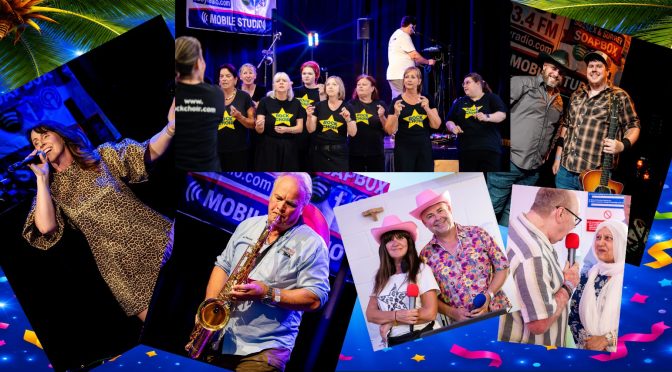
Pictures Credit: Emma Hollamby Photography

☕❤️ What is Tess’ Tea Party all about?

At first glance, it might look like a family fun day with live music, food and entertainment… But it’s really about bringing our community together.

In a world where so much of life happens online, the Sussex & Surrey Soapbox wanted to create a completely FREE event where neighbours, families, charities, community groups and local businesses could spend an afternoon together, make new connections and celebrate everything that’s positive.

We are incredibly proud to have raised funds for Crawley Open House, whose amazing work supports people experiencing homelessness and hardship across our local community. 

Hosts: Jacq Inwood, Tony Williams, Neil Munday & Clive Hilton
Performances by Sharon Music (ABBA Tribute), Rock Choir (30+ singing live) and CRASH Music (Craig & Ash take to the stage)

Plus hear from:

  • Crawley Community Youth Service
  • Creative Crawley
  • Tim the Magician
  • Lord Geoffrey the Balloon Guy
  • Crawley Combat Academy
  • Tess’ Kitchen Team providing the BBQ

A huge thank you to our sponsors:

  • GOACO
  • West Green Window Cleaning & Guttering
  • ASDA
  • SUSY 103.4

Alcohol As Social Glue Or Social Problem?


Sunday Brunch features soundbites from the ‘Sussex & Surrey Soapbox’ podcast latest episode…. to skip chapters click on the 3 horizontal lines (left in the above player). Have your say via WhatsApp (bottom right) or join the conversation in our Facebook Group HERE. 

Special Guest: Chelle Lucas

Roundtable Featuring: Abigail Chapman-Miller (Labour), Jacq Inwood, Maureen Jones, Aga Es and Mags Rahman

Host: Clive Hilton

Alcohol is woven into British life so tightly that not drinking can feel like you’re breaking a rule. From champagne toasts and pub culture to “wine o’clock” on the sofa, we ask a question that’s easy to dodge and hard to answer: when does social drinking become a social problem?

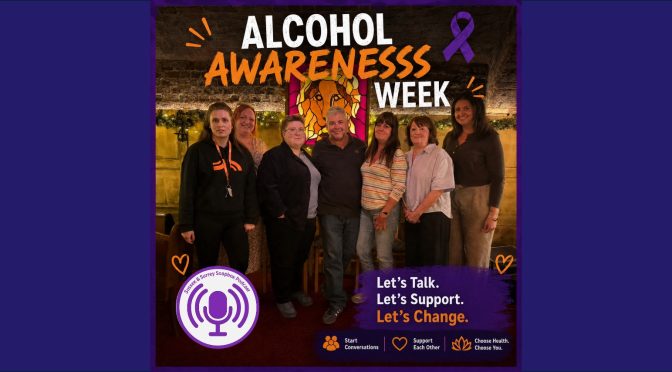
Recorded at the Red Lion and Cellar Room in Betchworth, Surrey for the upcoming Alcohol Awareness Week – we bring real viewpoints and lived experience to the table. Aga talks about quitting alcohol alongside smoking and not missing it, while Abi shares what it’s like growing up around alcoholism, the way addiction can “gaslight” you, and why people are often the last to see the problem. Chelle reflects on 90s ladette binge drinking and how pub life has shifted, and Maureen draws on years of publican experience to explain why home drinking, supermarket prices, and changing habits have reshaped the community role of the local. Jacq adds the perspective of loving people with alcohol dependency, and what that costs in health, relationships, and wider society. Mags shares her lived experience which emerged during covid and a personal story of how she regained control and how Thiamine helped.

We also get practical: what “14 units a week” really means, why units are so easy to underestimate, and why stopping suddenly can be dangerous if you’re dependent. We talk stigma, alcohol-free drinks as a social bridge, and where help can start, from your GP to SMART support and Alcoholics Anonymous. If you’ve ever wondered whether your own drinking is “fine”, or felt awkward choosing not to drink, this conversation gives you language, context, and a few clear next steps.

Smartphones, Freedom And 2026 Childhood

Sunday Brunch features soundbites from the ‘Sussex & Surrey Soapbox’ podcast latest episode…. to skip chapters click on the 3 horizontal lines (left in the above player). Have your say via WhatsApp (bottom right) or join the conversation in our Facebook Group HERE. 

Special Guest: Chelle Lucas

Roundtable Featuring: Abigail Chapman-Miller (Labour), Jacq Inwood, Maureen Jones, Aga Es and Mags Rahman

Host: Clive Hilton

Childhood has not just changed, it’s been rewired. One minute you’ve got kids who can outsmart an iPad before they can tie their laces; the next you’ve got parents using tracking apps because the world feels less safe, even when the data is unclear. We sit down as a cross-generational roundtable to ask a blunt question: is childhood in 2026 better, or have smartphones and social media taken something vital away?

We dig into the biggest flashpoint, the push to ban social media for under-16s. Some of us want stronger protection, others argue bans are impossible to enforce and make platforms more desirable. Either way, we all see the same pressures: bullying that follows children home, “perfect life” comparison on TikTok and Instagram, and algorithms that can serve up content no child should ever see. We talk about what regulation could look like, and why parents still need practical tech skills, boundaries and honest conversations.

From there we zoom out to freedom, risk and resilience. Why do fewer kids play outside until dark? How did parks and youth clubs empty out? What happens when community trust fades and normal childhood naughtiness gets treated as antisocial behaviour? We also touch on physical activity, wellbeing, communication habits and why fewer Saturday jobs can leave young adults unprepared for authority and work culture.

Building Homes Without Roads Schools Or GPs


Sunday Brunch features soundbites from the ‘Sussex & Surrey Soapbox’ podcast latest episode…. to skip chapters click on the 3 horizontal lines (left in the above player). Have your say via WhatsApp (bottom right) or join the conversation in our Facebook Group HERE. 

Planning is meant to turn housebuilding into liveable places, but across Sussex & Surrey it often feels like we are pouring concrete first and asking awkward questions later. We sit down with Abigail Chapman-Miller (Labour), Matt Brewin (Green), James Tidy (Reform UK), Iqbal Khan and Paul Taylor-Burr to unpack why housing development planning keeps producing the same result: new estates without the shops, GP access, school places, roads, drainage and water capacity that make a community work. 

The Sussex & Surrey Soapbox Podcast digs into the structural problem: approvals sit with one council, roads and schools with another, health commissioning with the NHS, and water and sewage with private utility companies. That fragmentation makes “joined-up thinking” hard and accountability even harder. From Poundbury’s reputation for community-led design to frustrations around Haywards Heath, Copthorne, Oxted, Forgewood and Kilnwood Vale, we test what good development looks like in practice, including the promises that slip, the management fees residents end up paying, and how flooding and drainage decisions can come back to bite. 

We also tackle affordability head-on: what counts as a starter home, why “affordable housing” at 80% of market value still fails, and why empty homes and social housing supply matter. Then the debate widens to second homes, Airbnb-style holiday lets, immigration and the politics of demand. We finish with hope and practical routes forward, from stronger local plans and better long-term infrastructure funding to community campaigns like Save West of Ifield. 

SEND Reform: Can Every Child Truly Thrive?

Sunday Brunch features soundbites from the ‘Sussex & Surrey Soapbox’ podcast latest episode…. to skip chapters click on the 3 horizontal lines (left in the above player). Have your say via WhatsApp (bottom right) or join the conversation in our Facebook Group HERE. 

Special Guest:
– 
Matt Brewin, Primary School Teacher in Haywards Heath and Chair of Mid Sussex Green Party
– Paul Taylor-Burr, Community Volunteer and Parent of two children with ASD/ADHD 
Roundtable Featuring: Abigail Chapman-Miller (Labour), Iqbal Khan (Tess’ Kitchen) & James Tidy (Reform UK). Host: Clive Hilton. 

The SEND system was built to protect vulnerable children, so why do so many parents across Sussex & Surrey describe it as a fight for basic understanding? We bring together a primary school teacher, councillors and parents with lived experience of ADHD and autism to talk plainly about what is happening on the ground: long waits, overstretched schools, and an EHCP process that can feel like a second full-time job.

We break down the jargon so you can follow the real choices families face: SEND, EHCNAs, EHCPs, ISP/ILPs, and the proposed move towards Individual Support Plans in the 2026 SEND white paper. From the classroom, we hear how inclusion is meant to work and why it so often collapses under funding gaps, fewer teaching assistants and rising need. We also get into the uncomfortable questions people avoid, including whether diagnosis is being underused or overused, what labels do to a child’s confidence, and how to make “reasonable adjustments” without leaving children unprepared for the real world.

The conversation goes beyond paperwork into what a fair education system should value. Are league tables and Ofsted driving better outcomes, or driving burnout and pushing schools away from flexibility? What would it take to make mainstream education genuinely accessible, and when is specialist provision the right answer? We finish with practical reflections for parents about coping, advocacy, and why some families feel pushed towards home education.